
Evaluating the Effectiveness of Your Current Plan
When running a business, having a plan is essential. But just having a plan is not enough. You need to evaluate how effective your current strategy evaluation plan is. This helps you understand what is working, what is not, and where improvements are needed. In this article, we will explore practical ways to assess your strategy, provide examples, and offer actionable recommendations to enhance your business outcomes.
Why Strategy Evaluation Matters
Strategy evaluation is the process of reviewing and analyzing your business plan to ensure it meets your goals. Without regular evaluation, you risk continuing with ineffective tactics that waste resources and time. Evaluating your strategy helps you:
Identify strengths and weaknesses
Adapt to market changes
Improve decision-making
Increase overall business performance
For example, if your sales targets are not being met, a strategy evaluation can reveal whether the issue lies in marketing, product quality, or customer service. This insight allows you to make targeted changes rather than guessing.

How to Conduct a Strategy Evaluation
Conducting a thorough strategy evaluation involves several key steps. Here is a simple framework you can follow:
1. Set Clear Evaluation Criteria
Before you start, define what success looks like. This could include financial metrics like revenue growth, customer satisfaction scores, or market share. Clear criteria help you measure progress objectively.
2. Collect Relevant Data
Gather data related to your criteria. This might include sales reports, customer feedback, competitor analysis, and employee performance reviews. Use both quantitative and qualitative data for a complete picture.
3. Analyze Performance
Compare your actual results against your goals. Look for gaps and trends. For example, if customer retention is low, investigate why customers are leaving.
4. Identify Internal and External Factors
Consider factors inside and outside your control. Internal factors might be team skills or operational efficiency. External factors could include economic conditions or new competitors.
5. Make Informed Decisions
Based on your analysis, decide what changes are necessary. This could mean adjusting your marketing strategy, investing in training, or revising your product offerings.
6. Implement Changes and Monitor
Put your decisions into action and continue to monitor results regularly. Strategy evaluation is an ongoing process, not a one-time event.
Tools and Techniques for Strategy Evaluation
There are many tools and techniques available to help you evaluate your strategy effectively. Here are some popular options:
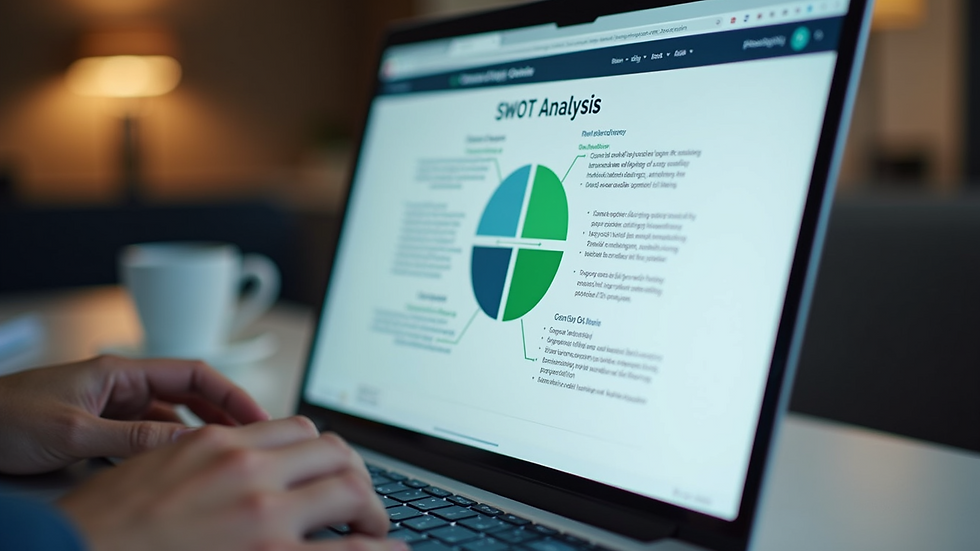
SWOT Analysis: Identifies strengths, weaknesses, opportunities, and threats.
Balanced Scorecard: Measures performance from financial, customer, internal process, and learning perspectives.
KPIs (Key Performance Indicators): Track specific metrics aligned with your goals.
Benchmarking: Compares your performance against industry standards or competitors.
Surveys and Feedback: Collect insights directly from customers and employees.
Using these tools can provide structured insights and help you make data-driven decisions.
Enhancing Your Strategy Through Business Strategy Assessment
To deepen your understanding and improve your plan, consider engaging in a business strategy assessment. This professional service offers expert analysis and tailored recommendations to optimize your strategy. It can uncover hidden opportunities and risks that you might overlook on your own.
For example, a business strategy assessment might reveal that your current customer engagement tactics are outdated, suggesting new digital marketing approaches to boost growth. It can also help align your team around clear objectives and improve resource allocation.
Common Pitfalls to Avoid in Strategy Evaluation
While evaluating your strategy, be mindful of these common mistakes:
Ignoring Data: Decisions based on assumptions rather than facts can lead to poor outcomes.
Lack of Clear Goals: Without specific targets, it’s hard to measure success.
Infrequent Reviews: Waiting too long between evaluations can allow problems to worsen.
Overlooking External Factors: Market changes can impact your strategy significantly.
Resistance to Change: Being unwilling to adapt can stall progress.
Avoiding these pitfalls ensures your evaluation process is effective and leads to meaningful improvements.
Practical Tips for Ongoing Strategy Evaluation
To keep your strategy evaluation on track, try these tips:
Schedule regular review meetings (monthly or quarterly).
Involve key stakeholders from different departments.
Use dashboards to visualize performance data.
Encourage open communication and feedback.
Stay flexible and ready to pivot when necessary.
By embedding evaluation into your routine, you create a culture of continuous improvement.
Moving Forward with Confidence
Evaluating the effectiveness of your current strategy evaluation plan is crucial for sustained success. It provides clarity, direction, and the ability to respond to challenges proactively. Use the steps, tools, and tips shared here to conduct thorough assessments and make informed decisions.
Remember, a well-evaluated strategy is a powerful asset that drives growth and resilience in any business environment. Take the time to review your plan regularly and seek expert support when needed to maximize your potential.


Comments